Weed Barrier Installation in Arlington, TX
Weed barrier installation to prevent vegetation growth beneath artificial turf surfaces.
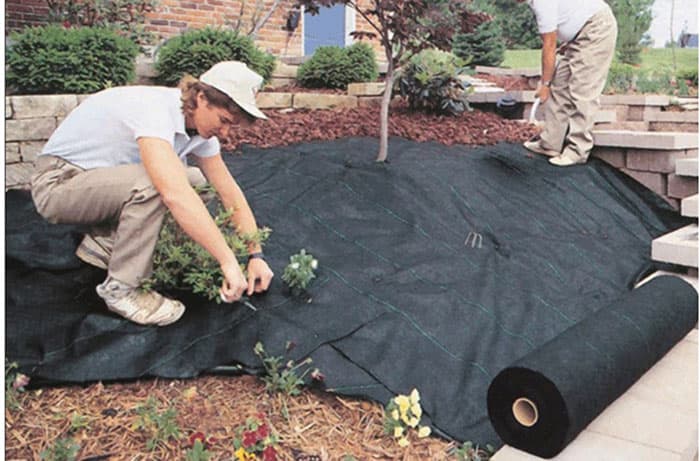
Professional weed barrier installation is a critical component of artificial turf systems in Arlington, Texas, preventing unwanted vegetation from growing through your synthetic grass and compromising its appearance and performance. Even though artificial turf eliminates the need for mowing and traditional lawn maintenance, the ground beneath remains capable of supporting weed growth unless properly protected. A quality weed barrier system blocks light, prevents weed seeds from taking root, and creates a permanent barrier between the soil and your turf investment. Without effective weed prevention, even the most beautiful artificial turf installation will eventually develop problems as persistent North Texas weeds like crabgrass, Bermuda grass, dandelions, and nutsedge find ways to grow through seams and permeable areas. Professional weed barrier installation involves more than simply laying down fabric; it requires proper surface preparation, selection of appropriate barrier materials for your specific conditions, correct installation techniques that maintain drainage while blocking vegetation, and secure attachment that prevents shifting or gaps over time. Our comprehensive weed barrier service protects your artificial turf investment by creating a robust barrier that stands up to aggressive Texas weeds while working harmoniously with drainage systems and base materials. This page explains everything you need to know about professional weed barrier installation for artificial turf, including what our service includes, our proven installation process, different barrier types for various applications, factors that influence project costs, and answers to common questions about keeping your synthetic grass weed-free for years to come.
What Our Weed Barrier Installation Includes
Our weed barrier installation service provides complete protection against vegetation growth beneath your artificial turf. We handle every aspect of barrier installation, from surface preparation through final inspection, ensuring comprehensive coverage and long-term effectiveness against even the most persistent weeds.
- •Surface Preparation and Clearing - Complete removal of existing vegetation including grass, weeds, and plant roots, treatment of the area with appropriate vegetation control if needed, and leveling of the surface to create a smooth foundation for barrier installation
- •Weed Barrier Material Selection - Professional selection of barrier materials appropriate for your project, considering factors like weed pressure, drainage requirements, soil conditions, and installation type to ensure optimal performance and longevity
- •Precise Barrier Layout and Cutting - Accurate measurement and cutting of barrier materials to fit your installation area perfectly, minimizing seams and joints where possible, and planning barrier orientation for maximum effectiveness and efficient material use
- •Proper Overlap and Seam Management - Strategic overlapping of barrier sections by appropriate distances to prevent any gaps where weeds might penetrate, careful attention to seam orientation and placement, and securing all overlaps to prevent separation over time
- •Secure Anchoring and Fastening - Installation of appropriate anchoring systems including landscape staples, pins, or stakes at recommended spacing intervals, with particular attention to barrier perimeters, seam areas, and sections subject to potential shifting during base installation
- •Drainage Integration - Careful coordination of weed barrier with drainage systems including proper cutting and sealing around drainage components, ensuring barrier materials do not obstruct water flow paths, and using permeable barriers that allow water passage while blocking vegetation
- •Edge Treatment and Border Protection - Professional treatment of barrier edges along hardscapes, landscape borders, and installation perimeters to prevent weed intrusion from surrounding areas, including proper tucking, securing, and protection of edge areas
- •Quality Inspection and Coverage Verification - Thorough inspection of the completed barrier installation to verify complete coverage with no gaps, proper securing throughout the installation area, and correct integration with drainage and base preparation for the turf installation that follows
Our Weed Barrier Installation Process
We follow a systematic installation approach that ensures comprehensive weed protection while maintaining proper drainage and base material performance. Each step is executed with attention to detail because even small gaps or installation errors can allow persistent weeds to compromise your turf.
Site Preparation and Vegetation Removal
We begin by thoroughly preparing the installation area, removing all existing vegetation including grass, weeds, and plant material. This preparation includes cutting vegetation to ground level, removing root systems that might push through barrier materials, and treating the area for particularly aggressive weeds if needed. For sites with persistent vegetation like Bermuda grass that spreads through underground rhizomes, we pay special attention to root removal and may recommend pre-treatment to ensure complete vegetation control. The prepared surface is graded smooth to eliminate any sharp objects or irregular areas that might damage barrier materials or create gaps where weeds could penetrate.
Barrier Material Preparation and Planning
Before installation, we plan the barrier layout to minimize seams, position overlaps strategically, and use materials efficiently while ensuring complete coverage. We measure the installation area precisely, accounting for required overlaps at seams and edges, and cut barrier materials to appropriate sizes. This planning phase considers drainage component locations, ensuring barriers are cut and positioned to integrate properly with French drains, catch basins, and other drainage infrastructure. We organize materials for efficient installation, positioning barrier sections near their installation locations and preparing all anchoring hardware and tools needed for proper securing.
Initial Barrier Placement and Positioning
We begin barrier installation by positioning the first section, ensuring it extends appropriately to edges and borders while maintaining proper orientation for drainage and overlap planning. Subsequent barrier sections are positioned with careful attention to achieving the correct overlap at all seams, typically six to twelve inches depending on barrier material and site conditions. We smooth each section to eliminate wrinkles or folds that could create uneven areas beneath the turf base or provide spaces where weed seeds might accumulate. Special attention is paid to positioning around drainage components, cutting precise openings that accommodate these elements while maintaining barrier integrity.
Securing and Anchoring the Barrier
Once barrier sections are properly positioned, we secure them using professional-grade landscape staples or pins at appropriate spacing intervals. Perimeters and edges receive closer staple spacing to prevent barrier lifting during base material installation. All seam overlaps are secured with staples running down the center of the overlap area and along both edges, preventing any separation that might create gaps. Areas around drainage components are carefully secured to maintain proper positioning while allowing water movement. We use sufficient anchoring hardware to ensure the barrier remains in position throughout base installation and beyond, creating a permanent vegetation barrier that will not shift or bunch over time.
Edge Treatment and Perimeter Securing
Barrier edges along hardscapes, existing landscaping, and installation perimeters receive special treatment to prevent weed intrusion from surrounding areas. We extend barriers slightly beyond the turf installation area where possible, tucking edges under hardscape materials or securing them with additional anchoring and edging materials. Transitions between barrier-protected turf areas and surrounding landscapes are carefully managed to prevent weeds from migrating into turf sections from adjacent areas. Any penetrations through the barrier for utilities, drainage, or other elements are carefully cut to size and sealed appropriately to maintain barrier effectiveness.
Final Inspection and Integration Preparation
Before base material installation begins, we thoroughly inspect the completed barrier installation to verify complete coverage, secure anchoring throughout, proper overlap at all seams, and correct integration with drainage systems. We check for any tears, gaps, or potential weak points and address them immediately. This inspection ensures the barrier is ready for base material installation without risk of damage or displacement during that phase. We document barrier installation completion and verify that the installation meets all specifications before the project advances to base preparation and turf installation phases.
Weed Barrier Installation for Different Applications
Different artificial turf applications face varying weed pressure and have different barrier requirements based on usage, visibility, and maintenance access. We customize weed barrier installation to match each application's specific needs.
Residential Lawn Weed Barriers
Residential artificial turf lawns require weed barriers that prevent common lawn weeds while maintaining the drainage and base material performance necessary for attractive, functional landscape surfaces. We typically install commercial-grade woven polypropylene barriers for residential lawns, providing excellent weed blocking while allowing water drainage through the material. These barriers handle the typical weed pressure from lawn grasses, dandelions, clover, and other common residential weeds without requiring the heavy-duty materials needed for agricultural weed control. Installation focuses on complete coverage, proper seam overlaps, and secure edges along landscape borders, hardscapes, and fencing where weeds often attempt to intrude into turf areas from surrounding landscapes.
Athletic Field and Sports Surface Barriers
Athletic fields and sports surfaces demand robust weed barriers because any vegetation growth that creates uneven spots or disrupts the playing surface presents safety hazards and performance problems. We install heavy-duty barrier materials for sports applications, often using reinforced fabrics that resist damage from intense base compaction and the stresses of athletic use. These barriers must maintain complete weed prevention throughout the field area, including high-stress zones near goal areas, baselines, and sidelines where foot traffic is heaviest. Barrier installation for athletic fields includes careful integration with specialized drainage systems, ensuring water moves freely through the profile while weeds remain completely blocked. We pay particular attention to barrier securing because any shifting during base installation or field use could create wrinkles or uneven areas that affect play.
Commercial Landscape Weed Control
Commercial properties with artificial turf in courtyards, entryways, rooftop gardens, and landscape areas require weed barriers that maintain professional appearance with minimal maintenance demands. Commercial barrier installations often involve complex layouts with multiple sections, integration with hardscape features, and coordination with irrigation or drainage systems serving surrounding landscape areas. We use premium barrier materials for commercial applications, recognizing that weed control failures at commercial properties are highly visible and reflect poorly on property management. Installation emphasizes complete coverage in visible areas, professional treatment of edges and transitions, and documentation of barrier installation for property management records and future maintenance reference.
Pet Area Weed Barriers
Artificial turf pet areas and dog runs require weed barriers that stand up to pet traffic and potential digging while integrating with specialized drainage and odor control systems often included in pet turf installations. We install durable barrier materials for pet areas, selected to resist damage from digging and to work effectively with highly permeable base materials and enhanced drainage systems typical of pet applications. These barriers must prevent weeds while allowing excellent drainage of both rainwater and pet waste liquids. Installation includes secure edges that discourage and withstand digging attempts, complete coverage that prevents any vegetation growth in areas pets frequent, and integration with antimicrobial materials or systems that help control odors.
Why Arlington Property Owners Choose Our Weed Barrier Installation
Effective weed barrier installation requires understanding both weed control principles and how barrier materials interact with artificial turf systems. We bring practical knowledge of North Texas weeds including aggressive species like Bermuda grass that spreads through underground rhizomes, nutsedge that can penetrate surprisingly resistant materials, and various broadleaf weeds that exploit any gap or weak point in barrier coverage. Our material selection considers the specific weed pressure at your property, choosing barrier fabrics with appropriate density, thickness, and durability for your conditions rather than using one-size-fits-all materials. We understand how weed barriers must work together with drainage systems, using permeable materials that block light and vegetation while allowing water movement through the profile. Our installation technique ensures complete coverage without gaps, proper overlaps at seams that prevent weed penetration, and secure anchoring that prevents barrier shifting during base installation and beyond. We pay careful attention to edges and perimeters where many weed control failures occur, extending barriers appropriately and securing edges to prevent intrusion from surrounding areas. Our systematic approach to barrier installation, including thorough surface preparation, precise material placement, comprehensive securing, and final inspection, provides confidence that your turf will remain weed-free. We communicate clearly about what weed barrier can and cannot accomplish, including realistic expectations for long-term weed prevention and any maintenance considerations specific to your installation. Our barrier installations are designed to last the life of your artificial turf, providing permanent vegetation control that protects your investment and eliminates ongoing weed management concerns.
Factors That Affect Weed Barrier Installation Pricing
Weed barrier installation costs depend on several factors related to your property conditions, installation area characteristics, and barrier material requirements. Understanding these factors helps you budget appropriately for comprehensive weed protection.
Installation Area Size and Layout
Larger installation areas require more barrier material and more labor for placement and securing, directly affecting project costs. However, material costs per square foot often decrease with larger projects because of reduced waste percentage and bulk material pricing. Installation layout complexity also influences costs. Simple rectangular areas are straightforward to cover with minimal seams and waste, while irregular shapes, areas with multiple obstacles, or installations broken into separate sections require more cutting, more seams requiring overlaps, and potentially more material waste. Very small installations may have higher per-square-foot costs because of minimum labor requirements and material purchasing quantities.
Barrier Material Type and Quality
Weed barrier materials range from basic landscape fabric to heavy-duty commercial woven polypropylene or reinforced composite materials, with costs varying accordingly. Standard residential-grade barriers provide adequate weed protection for typical lawn applications at moderate cost. Premium commercial-grade materials cost more but offer superior durability, better weed blocking, and longer lifespan, justifying the higher cost for demanding applications or areas with aggressive weed pressure. Specialized barriers designed for specific applications like sports fields or pet areas incorporate features that increase material costs. We recommend barrier materials appropriate for your application and weed control needs, balancing performance requirements with budget considerations.
Site Preparation Requirements
Properties with minimal existing vegetation and relatively smooth soil surface require less preparation before barrier installation than sites with established lawns, heavy weed infestations, or uneven ground conditions. Extensive vegetation removal, particularly of deep-rooted or spreading species like Bermuda grass, adds labor time and potentially disposal costs. Sites requiring significant smoothing and grading before barrier placement need additional work. Properties where previous weed control failures occurred may benefit from pre-treatment with vegetation control products before barrier installation, adding material costs and requiring time for treatment effectiveness before barrier installation proceeds. Site preparation represents a significant portion of overall barrier installation cost, varying substantially based on existing conditions.
Drainage System Integration Complexity
Simple barrier installations on properties without subsurface drainage require only basic permeable barrier materials and straightforward installation. Properties with French drains, catch basins, or complex drainage infrastructure require careful barrier cutting, positioning around drainage components, and sealing or securing at penetration points, increasing installation labor. The number of drainage components, their size and configuration, and how much barrier cutting and fitting is required all influence installation complexity and cost. Systems requiring coordination between multiple barrier layers or specialized drainage fabrics add further cost. We account for drainage integration requirements when estimating barrier installation costs.
Edge Treatments and Perimeter Complexity
Properties with simple perimeters and straightforward edges along fencing or property lines have lower barrier edge treatment costs than installations with complex perimeters, multiple hardscape transitions, or integration with existing landscape features. Each edge condition requiring special treatment, additional securing, or careful fitting adds to installation labor. Properties where barriers must be tucked under hardscapes, integrated with existing edging systems, or coordinated with retaining walls and other features require more detailed work. The number of transitions between barrier-protected turf and surrounding landscape areas directly affects installation complexity and cost.
Access and Site Conditions
Properties with clear access for delivering materials and adequate working space for efficient barrier installation have lower labor costs than sites with limited access, confined working areas, or obstacles that complicate installation. Second-story or rooftop installations require material transport to installation areas and often more complex securing methods, increasing labor time. Sites with existing landscape features, utilities, or structures requiring work-arounds need additional care and time during installation. Weather conditions during installation can also impact efficiency, with windy days making barrier positioning more challenging and wet conditions preventing work entirely. These site-specific factors influence overall installation time and therefore labor costs.
Service Area Coverage
We provide professional weed barrier installation throughout Arlington, Mansfield, Grand Prairie, Cedar Hill, and surrounding Tarrant County communities. Our service area extends to Duncanville, DeSoto, Midlothian, Waxahachie, Burleson, Crowley, Kennedale, Forest Hill, and nearby cities where property owners need reliable weed control for artificial turf installations. Whether you are located in established neighborhoods, new developments, or commercial districts anywhere in the region, we deliver expert weed barrier installation that prevents vegetation growth and protects your turf investment.
Related Services
Base Preparation And Grading
Expert base preparation and grading services for proper turf foundation and drainage.
Learn More →Artificial Turf Installation
Professional artificial turf installation for residential and commercial properties with complete base preparation.
Learn More →Drainage Installation
Professional drainage system installation to prevent water pooling and ensure turf longevity.
Learn More →Frequently Asked Questions About Weed Barrier Installation
What type of weed barrier material works best for artificial turf in Arlington?+
The most effective weed barriers for artificial turf in Arlington are commercial-grade woven polypropylene fabrics that block light and vegetation growth while allowing water drainage through the material. These materials typically weigh between three and six ounces per square yard, with heavier weights providing greater durability and weed blocking for demanding applications. Woven materials outperform non-woven or spunbond fabrics because they resist tearing, maintain their structure under base material compaction, and provide more reliable long-term weed prevention. We avoid solid plastic sheeting because it prevents drainage and can trap moisture beneath turf, creating problems worse than occasional weed growth. The ideal barrier material for your project depends on weed pressure at your property, turf application, and drainage requirements. Residential lawns typically do well with standard commercial woven barriers, while athletic fields and commercial properties may benefit from heavier-duty materials with reinforcement for enhanced durability.
Will weed barrier prevent all vegetation growth beneath my artificial turf?+
Professional weed barrier installation using quality materials provides excellent vegetation control and prevents the vast majority of weed problems in artificial turf installations. However, no weed barrier system offers absolute, permanent prevention of all vegetation under all conditions. Proper installation with complete coverage, adequate seam overlaps, and secure edges prevents weed growth in the vast majority of installations for many years. The few weed problems that do occasionally occur typically involve aggressive species like nutsedge finding tiny gaps at seams or edges, or vegetation growing through turf from surrounding areas that were not protected. Regular perimeter maintenance, including trimming vegetation near turf edges, helps prevent intrusion. If weeds do appear, they are typically isolated and easily addressed by treating the specific area through the turf or lifting a section to address the problem. The protection weed barrier provides far exceeds what is achievable through other methods, making it an essential component of quality artificial turf installations.
How does weed barrier affect drainage for my artificial turf?+
Quality weed barrier materials are permeable, allowing water to drain through them while blocking light and vegetation growth. We select barrier materials with appropriate permeability ratings that allow water movement through the fabric while still providing effective weed control. The barrier's permeability is significantly higher than the drainage rate needed for artificial turf applications, so properly selected barrier materials do not restrict drainage or cause water backup. In fact, weed barriers can improve drainage consistency by preventing vegetation roots from growing into base materials and creating uneven drainage patterns. The barrier works in conjunction with permeable turf backing and free-draining base materials as part of the complete drainage system. Problems only occur when inappropriate materials like solid plastic sheeting are used instead of proper permeable weed barriers. We ensure barrier materials integrate properly with your drainage system design, maintaining optimal water movement while providing comprehensive vegetation control.
Can I install weed barrier myself or is professional installation necessary?+
While weed barrier installation might appear straightforward, professional installation provides important advantages in terms of material selection, coverage completeness, and long-term effectiveness. Professionals understand which barrier materials work effectively for different applications, how to calculate and cut materials to minimize seams and waste, proper overlap distances for reliable weed blocking at seams, and secure anchoring techniques that prevent shifting. Common mistakes in do-it-yourself barrier installation include inadequate overlap at seams creating gaps where weeds penetrate, insufficient anchoring allowing barriers to bunch or shift during base installation, poor edge treatment permitting weed intrusion from surrounding areas, and using inappropriate materials that either restrict drainage or fail to prevent vegetation growth. For small, simple installations, careful do-it-yourself barrier installation may be adequate if proper materials and techniques are used. For larger installations, complex layouts, or applications where weed prevention is critical, professional installation provides assurance that the barrier will perform effectively throughout your turf's lifespan.
What happens if weeds grow through the barrier after turf installation?+
If weeds appear in your artificial turf after proper barrier installation, the problem typically involves either a small gap in barrier coverage or aggressive vegetation finding a penetration point rather than growth through intact barrier material. We evaluate the situation to determine the cause and appropriate solution. Isolated weed intrusions can often be treated with targeted spot treatment through the turf, killing the visible vegetation and root systems without affecting the turf itself. If weeds are entering from surrounding areas, we may recommend improved edge treatment or perimeter maintenance. More extensive weed problems might indicate barrier damage or installation issues that require lifting a turf section to inspect the barrier and make corrections. Properly installed weed barrier using quality materials rarely fails completely, so weed problems usually involve specific areas that can be addressed without complete reinstallation. Prevention through proper initial installation and attention to perimeter maintenance provides the best long-term weed control.
How long does weed barrier installation take for a typical artificial turf project?+
Weed barrier installation for most residential artificial turf projects takes one to two days, including surface preparation, barrier placement, securing, and edge treatment. Small residential yards may be completed in several hours, while larger properties or complex installations requiring extensive vegetation removal and surface preparation may take several days. The timeline depends on installation area size, existing vegetation density requiring removal, site preparation needs, layout complexity, and drainage integration requirements. Barrier installation must be completed before base material installation begins, but it follows vegetation removal and site grading in the overall project sequence. We schedule barrier installation to coordinate efficiently with other project phases, ensuring each step is properly completed before proceeding. Weather can impact timing because barrier installation should not occur during rain or high winds that complicate material handling and securing.
Do different types of artificial turf require different weed barriers?+
The weed barrier requirements are determined more by site conditions, weed pressure, and turf application than by specific turf products. However, different applications do benefit from different barrier approaches. Athletic fields and high-use commercial installations benefit from heavier-duty barriers that withstand intense base compaction and provide robust long-term weed prevention. Pet turf areas sometimes use specialized antimicrobial barriers or multiple barrier layers to address both weed control and odor management. Playground surfaces may incorporate barriers with specific safety or permeability certifications. Residential lawns typically use standard commercial woven barriers adequate for typical lawn weed pressure. The turf backing permeability, drainage system design, and base material type influence barrier material selection to ensure compatible permeability and proper system integration. We evaluate your complete turf system when recommending barrier materials, ensuring the barrier works effectively within the context of your specific installation.
Is weed barrier installation included in artificial turf installation or separate?+
Weed barrier installation is typically included as a component of comprehensive artificial turf installation packages, but it may be priced separately or as an optional upgrade depending on the service provider and project scope. We include weed barrier installation in our complete turf packages because we consider it an essential element of quality installation rather than an optional extra. Some providers offer basic turf installation without barrier protection and then charge separately to add weed control, potentially saving initial cost but risking future weed problems. When comparing installation quotes, verify whether weed barrier is included, what type of barrier material is specified, and what the installation approach entails. Lower-cost quotes that exclude weed barrier may not represent better value when considering long-term turf performance and weed management costs. We provide clear itemization of all project components including weed barrier so you understand exactly what is included and can make informed comparisons between different proposals.
Ready to Get Started?
Contact us today for a free quote on weed barrier installation in Arlington, TX.