Commercial Turf Installation in Arlington, TX
Durable commercial-grade artificial turf installation for business properties and high-traffic areas.
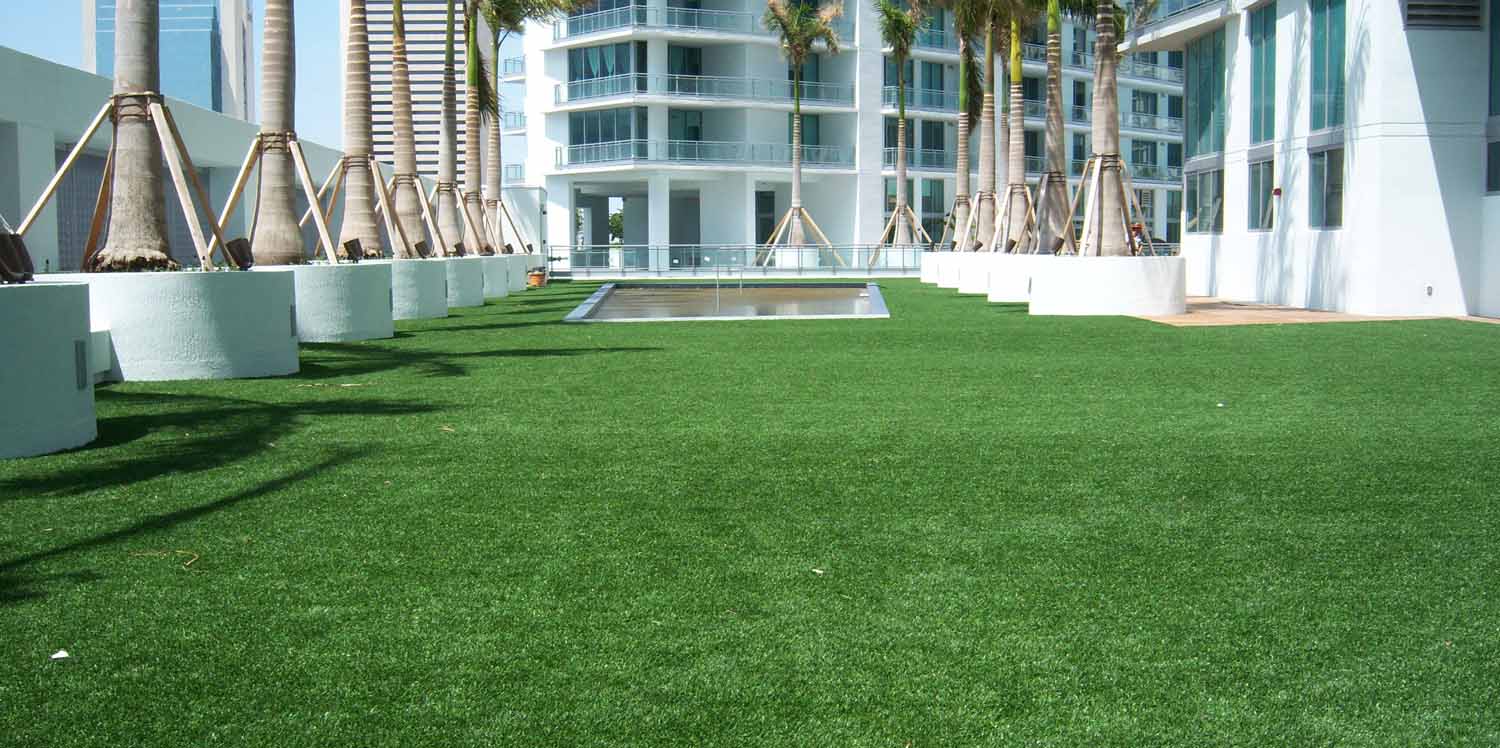
Commercial turf installation provides businesses, property managers, and commercial facilities throughout Arlington with professional landscape solutions that reduce maintenance costs, enhance property appearance, and eliminate the ongoing burden of traditional lawn care. Commercial properties face unique landscaping challenges including the need for consistent, professional appearance that reflects well on the business, high visibility areas where lawn quality directly impacts customer perception, budget pressures requiring predictable maintenance expenses, and the disruption caused by regular lawn care services during business hours. Professional commercial turf installation addresses these challenges effectively while delivering long-term value that improves property operations and financial performance. This service goes far beyond simply installing synthetic grass on commercial property. It encompasses thorough evaluation of your property's specific requirements and usage patterns, strategic planning for high-traffic areas and visibility zones, comprehensive site preparation addressing drainage and access considerations, professional installation using commercial-grade products and techniques, and integration with existing landscape elements and property infrastructure. Commercial turf installation solves substantial problems for property owners and managers. Traditional commercial landscape maintenance requires ongoing expense for contracted services or in-house staff, equipment and supplies, water consumption for irrigation, seasonal treatments and enhancements, and repairs to damaged or worn areas. Service scheduling disrupts business operations with noisy mowers and equipment during hours when customers or tenants are present. Landscape quality varies with weather and season, creating brown patches during summer drought or dormancy periods that detract from property appearance. High-traffic areas near entrances and along pathways wear quickly, developing bare spots that require repair or replacement. Commercial turf eliminates these challenges while providing benefits that directly impact property value and operational efficiency. Maintenance costs become predictable and substantially lower than traditional landscaping. Property appearance remains consistently professional year-round without seasonal variation. High-traffic areas withstand use without deterioration. Water consumption and utility costs decrease dramatically. Property sustainability credentials improve through water conservation and elimination of chemicals and emissions from maintenance equipment. This comprehensive guide explains commercial turf installation in detail, including what the service involves for different property types, how commercial applications differ from residential installations, factors that affect project investment, and answers to questions property managers and business owners commonly ask when considering artificial turf for their commercial properties.
What Our Commercial Turf Installation Includes
Commercial turf installation provides comprehensive transformation of your property's landscape areas, addressing the unique requirements of business environments. Our service covers every aspect from initial planning through completed installation ready for tenant and customer use.
- •Commercial Property Assessment and Planning - Evaluate your property's landscape areas, traffic patterns, visibility zones, and current maintenance challenges, discuss your operational requirements including minimizing business disruption and accommodating tenant or customer access, assess drainage systems and site conditions affecting installation approach, measure installation areas precisely for accurate proposals, and develop project plan that addresses commercial property needs
- •Coordinated Scheduling and Access Management - Schedule installation phases to minimize impact on business operations and tenant activities, coordinate with property management regarding access requirements and tenant communication, plan work staging to maintain access to entrances, parking, and critical areas, and accommodate business schedules working during off-hours or weekends if required for high-activity properties
- •Site Preparation and Existing Landscape Removal - Remove existing grass, landscaping, or previous surface materials from installation areas, excavate to depth required for commercial-grade base installation, address underground utilities and irrigation systems with appropriate coordination and precautions, and dispose of all removed materials leaving clean work areas
- •Commercial-Grade Base and Drainage Systems - Install robust base systems using crushed aggregate materials appropriate for commercial traffic and load requirements, implement drainage solutions including French drains, catch basins, and surface drainage to handle large area water management, integrate with existing property drainage and storm water systems, and ensure proper grading to protect buildings and direct water to appropriate discharge points
- •Heavy-Duty Base Compaction - Achieve superior base density using commercial compaction equipment appropriate for commercial applications, compact base materials in lifts to prevent future settling under traffic and equipment loads, verify grade consistency and drainage slope across installation areas, and create stable foundation that performs reliably for commercial property demands
- •Commercial Landscape Fabric Installation - Install professional-grade geotextile fabric appropriate for commercial applications and soil conditions, ensure complete coverage with proper overlap preventing weed penetration, secure fabric to withstand commercial installation equipment and traffic, and verify permeability for drainage while providing effective weed barrier
- •Commercial Artificial Turf Product Installation - Install artificial turf products selected for commercial durability, traffic resistance, and aesthetic standards, plan installation to minimize seams in high-visibility and high-traffic areas, orient turf direction for optimal appearance from primary viewing angles including street frontage and building approaches, and position turf to accommodate signage, lighting, and other property features
- •Professional Seaming for Commercial Standards - Create invisible seams using commercial-grade adhesives and seaming techniques, ensure seam integrity that withstands commercial traffic and environmental exposure, align grain direction precisely across all turf sections for consistent appearance, and test seam strength to verify long-term performance
- •Comprehensive Perimeter Securing - Fasten turf around entire installation perimeter using commercial-grade fastening systems, integrate edges with hardscape elements including concrete, pavers, decorative rock, and landscape borders, ensure edge stability that resists displacement from traffic, maintenance activities, and weather, and create clean transitions between turf areas and other property surfaces
- •Infill Application and Surface Finishing - Apply infill materials appropriate for commercial applications and expected traffic levels, distribute infill uniformly using professional equipment for consistent surface characteristics, brush entire surface to stand fibers and optimize appearance for property opening, and verify proper infill depth and distribution across all areas
Our Commercial Turf Installation Process
Commercial turf installation requires careful planning, professional execution, and attention to operational considerations that differ from residential projects. Our systematic approach ensures quality results while respecting your business needs and minimizing property disruption.
Property Evaluation and Proposal Development
Commercial turf projects begin with comprehensive evaluation of your property and detailed discussion of your objectives, challenges, and requirements. We visit your property to assess landscape areas being considered for turf installation, examine current conditions including drainage performance, evaluate traffic patterns and usage intensity for different areas, identify integration points with existing hardscape, utilities, and infrastructure, and understand your operational constraints including timing limitations, access restrictions, and tenant considerations. During this visit, we discuss your goals such as reducing maintenance costs, improving appearance, solving drainage problems, or supporting sustainability initiatives. We review different turf product options appropriate for commercial applications, explaining durability characteristics, appearance qualities, and maintenance requirements. Based on this comprehensive evaluation, we develop detailed written proposal outlining scope of work, product specifications, project timeline, and investment required. The proposal addresses how we will minimize business disruption and maintain property accessibility during installation.
Project Planning and Coordination
After proposal acceptance, we develop detailed project plan coordinating installation activities with your property operations. This includes establishing work schedule that accommodates business hours and tenant needs, identifying staging areas for equipment and materials that do not interfere with parking or access, planning work phases if installation will occur in sections to maintain property functionality, coordinating with property management regarding tenant communication and notification, and scheduling inspections or approvals required for commercial projects. For properties with ongoing business operations, we often schedule work during evenings, weekends, or slower business periods to minimize impact. We identify critical access points such as main entrances, delivery areas, and emergency routes that must remain accessible throughout installation. Communication protocols are established so property management stays informed of progress and can address any tenant questions or concerns.
Site Preparation and Infrastructure Work
Installation begins with site preparation tailored to commercial requirements. We protect adjacent areas not part of installation using barriers or covers as needed, remove existing landscape materials including grass, planting beds, or previous surfacing, excavate to depth required for commercial-grade base installation typically four inches or more depending on traffic expectations, locate and mark underground utilities to ensure safe excavation around electrical, irrigation, communication, or other systems, and coordinate irrigation system modifications capping or removing lines serving areas being converted to turf. Excavated materials are removed from property regularly to minimize accumulation and maintain neat work areas. For multi-tenant properties or active business locations, work areas are secured at end of each work period to ensure safety and prevent access to construction zones.
Drainage and Base Installation
Commercial properties often have complex drainage requirements due to large paved areas, building storm water runoff, and site grading that concentrates water flow. We install drainage infrastructure appropriate for your property conditions including French drains along building foundations or low areas, catch basins connected to storm systems, channel drains across surfaces where water concentrates, and integration with existing property drainage systems. Drainage design accounts for local storm water regulations and property discharge points. After drainage infrastructure is installed, we place commercial-grade aggregate base material across installation areas. Base material is spread in lifts and compacted using heavy equipment appropriate for commercial applications, achieving density that prevents settling under traffic and equipment loads. We verify grade consistency ensuring proper slope for water management and smooth surface preparation. Base preparation receives particular attention for commercial projects because inadequate base is the primary cause of performance problems, and commercial applications demand reliable long-term results.
Turf Installation and Integration
Commercial turf installation requires attention to aesthetic and functional considerations specific to business properties. We install landscape fabric across prepared base areas, then carefully position commercial-grade artificial turf with attention to grain direction for optimal appearance from primary viewing angles such as street frontage, building entrances, and high-visibility areas. Seam locations are planned strategically to avoid high-traffic zones and sight lines where possible. Multiple turf sections are joined using professional seaming techniques and commercial adhesives that create durable, invisible seams. The turf is secured around entire perimeter and at all edges using appropriate fastening systems. Integration with existing hardscape receives careful attention, with precise trimming and securing where turf meets sidewalks, parking areas, building foundations, planting beds, and landscape features. For properties with signage, lighting, or other features within turf areas, we cut and fit precisely around these elements.
Finishing and Property Turnover
After turf installation is complete, we apply infill material appropriate for commercial use and expected traffic levels. Infill is distributed evenly using professional equipment and worked into turf fibers using power brooms. The entire surface is brushed to stand fibers upright and create optimal appearance. We conduct thorough inspection of completed installation checking seam quality and integrity, edge security and integration with hardscape, infill distribution and consistency, drainage performance, and overall appearance meeting commercial standards. All work areas are cleaned, any temporary barriers or protections are removed, and adjacent property areas are returned to pre-installation condition. We review installation with property management, provide maintenance guidelines appropriate for commercial applications, and ensure complete satisfaction before considering the project finished. The installation is ready for immediate use by tenants and customers.
Commercial Turf Applications We Serve
Commercial artificial turf adapts to diverse business property types and applications. Our experience spans the full range of commercial installations, with approaches tailored to each property type's specific requirements and operational considerations.
Office Building and Business Park Landscaping
Office properties benefit substantially from artificial turf installation in common areas, building perimeters, and visibility zones. Office landscape typically includes entryway areas where professional appearance creates positive first impressions for clients and visitors, courtyard and common areas providing attractive environments for tenants and their employees, building perimeters visible from streets and parking areas where consistent appearance enhances property image, and median areas or landscape islands within parking lots. Commercial turf eliminates maintenance disruption during business hours when traditional lawn care creates noise and interference, reduces ongoing landscape costs that affect operating budgets and tenant expenses, provides consistent professional appearance supporting tenant satisfaction and lease renewals, and enhances property value through improved aesthetics and reduced operational costs. Installation for office properties emphasizes premium appearance with realistic turf products, strategic placement in high-visibility areas for maximum impact, and minimal disruption to tenant operations during installation. Many office property managers report that tenant satisfaction increases after turf installation due to improved appearance and elimination of maintenance disruption.
Retail Center and Shopping Complex Applications
Retail properties rely heavily on appearance and customer experience, making artificial turf an effective solution for maintaining inviting environments. Retail applications include main entrance landscaping creating welcoming arrival experience for shoppers, perimeter areas visible from roadways attracting customer attention, common areas and plazas where shoppers gather or pass between stores, and landscape medians separating parking sections. Retail artificial turf provides year-round green appearance that maintains property appeal regardless of season, eliminates maintenance activities and noise during peak shopping hours, reduces water consumption supporting sustainability messaging increasingly important to consumers, and creates clean, attractive environment enhancing overall customer experience. Installation timing is carefully planned to minimize impact on store operations and customer access, often occurring during off-hours or slower periods. Retail property managers appreciate predictable maintenance costs and consistent appearance that artificial turf delivers compared to traditional landscaping that varies with weather and requires constant attention.
Multi-Family and Apartment Community Installations
Apartment complexes and multi-family properties face significant landscape maintenance challenges including high costs affecting operating budgets and resident rent, heavy traffic in common areas causing wear and damage to natural grass, resident complaints about maintenance noise and chemicals, and pressure to provide attractive amenities while controlling expenses. Artificial turf serves multiple applications within multi-family properties including common area landscaping and green spaces for resident use, pet areas and dog parks that withstand heavy use without deterioration, pool deck surrounds and recreational areas, playground surfaces with impact protection, and decorative landscaping around buildings and parking areas. Multi-family turf installation reduces ongoing maintenance costs substantially allowing properties to improve operating margins or hold rent increases, provides consistent attractive environment supporting resident satisfaction and retention, creates functional amenity spaces such as pet areas without constant repair requirements, and eliminates chemicals and maintenance activities that generate resident complaints. Many apartment communities report that artificial turf installation, particularly designated pet areas, is one of the most appreciated improvements they make and provides competitive advantage in tenant acquisition and retention.
Industrial and Warehouse Property Landscaping
Industrial properties, warehouses, and distribution centers typically have minimal landscape requirements focused on property perimeter, entrance areas, and visibility zones. These properties often struggle with traditional landscaping due to limited maintenance budgets, difficulty maintaining appearance with minimal landscape attention, large areas requiring coverage, and desire for professional appearance without ongoing expense. Artificial turf provides practical solutions for industrial property landscaping including entrance areas creating professional first impression, property perimeters visible from roadways, unused areas between buildings or around parking lots, and buffer zones meeting municipal landscape requirements. Industrial turf installation reduces maintenance to nearly zero while maintaining code compliance, creates professional property image important for tenant satisfaction and property value, eliminates ongoing landscape contractor expenses, and provides low-maintenance solution for large areas. Product selection for industrial applications typically emphasizes durability and cost-effectiveness over premium appearance, though many industrial property owners are surprised by how realistic modern commercial turf appears while meeting their budget requirements.
Hospitality and Hotel Property Applications
Hotels, event venues, and hospitality properties require pristine appearance that creates positive guest experience while managing costs in competitive markets. Hospitality artificial turf serves applications including main entrance and arrival areas creating impressive first impressions, pool deck surrounds and recreation areas providing comfortable, clean surfaces, event spaces and outdoor areas used for functions, and general landscaping maintaining attractive property appearance. Hospitality turf installation provides consistent beautiful appearance crucial for guest satisfaction and online reviews, eliminates maintenance disruption and noise during guest stays, reduces water consumption supporting sustainability initiatives that appeal to modern travelers, and creates clean, functional outdoor spaces enhancing guest experience. Installation timing is carefully coordinated to minimize impact on guest experience, often completed in phases or during slower occupancy periods. Hospitality property managers value artificial turf for delivering reliable results that maintain property standards while reducing ongoing operational costs.
Why Arlington Businesses Choose Our Commercial Turf Installation
Commercial turf installation requires expertise beyond residential applications, with understanding of business operational needs, commercial product requirements, and project management appropriate for business properties. Our approach to commercial projects prioritizes minimizing disruption to your business operations and tenant activities, maintaining clear communication with property management throughout the project, completing work efficiently within agreed timelines, and delivering results that meet commercial property standards for appearance and performance. We understand that commercial properties cannot afford installation problems that require remediation or poor quality results that fail to deliver expected benefits. Our installation teams use commercial-grade equipment and proven techniques appropriate for business applications. Base preparation receives meticulous attention because commercial properties demand reliable long-term performance without settling, drainage issues, or premature wear. We use commercial turf products designed for higher traffic levels, enhanced durability, and longer lifespan than residential products. Seaming techniques and materials are selected for commercial applications where seam integrity must withstand intensive use and environmental exposure. Edge integration addresses commercial considerations such as maintenance equipment access, occasional vehicle loads near turf edges, and integration with complex hardscape systems common on business properties. Project management for commercial installations includes coordinated scheduling that respects your operational requirements, regular communication keeping property management informed of progress and addressing concerns promptly, site cleanliness and organization maintaining professional appearance during installation, and attention to safety for workers, tenants, and customers. Our familiarity with commercial properties throughout Arlington gives us understanding of typical challenges, municipal requirements, and property management expectations. We recognize that artificial turf installation for commercial property is a business decision with expected returns through reduced costs, improved property performance, and enhanced value. Every commercial project receives the professionalism, quality execution, and attention to detail necessary to deliver those returns and ensure your satisfaction with the investment.
Commercial Turf Installation Cost Factors
Investment for commercial artificial turf installation varies significantly based on property characteristics, project scope, and product specifications. Understanding factors that influence pricing helps you budget appropriately and evaluate proposals effectively.
Project Size and Scale
Total installation area directly impacts material and labor costs for commercial projects. Commercial installations often involve larger areas than residential projects, ranging from several thousand square feet for small office building perimeters to tens of thousands of square feet for retail centers, apartment complexes, or business parks. Larger projects benefit from economy of scale with reduced per-square-foot costs as project size increases. However, very large projects may involve phasing or extended timelines that affect pricing. Small commercial projects may have relatively higher per-unit costs due to mobilization requirements and minimum project sizes. Accurate measurement during property evaluation ensures precise pricing based on actual installation area.
Site Conditions and Preparation Requirements
Commercial property conditions significantly influence preparation work and project costs. Properties with relatively level terrain, adequate drainage, and accessible installation areas require less preparation than sites with substantial grading issues, poor drainage requiring extensive infrastructure, difficult soil conditions such as heavy clay or rocky areas, or access limitations requiring special equipment or methods. Commercial properties sometimes have underground utilities, irrigation systems, or previous landscape installations that must be addressed during preparation. Properties requiring removal of existing hardscape, extensive drainage systems, significant grading work, or specialized preparation for specific conditions incur higher costs. Site evaluation identifies these factors allowing accurate project pricing.
Product Selection and Specifications
Commercial artificial turf products range from functional to premium with corresponding price variation. Basic commercial turf provides adequate durability and appearance at lower cost suitable for industrial properties or low-visibility areas. Mid-range commercial products offer better appearance, enhanced durability, and improved warranties appropriate for most office and retail applications. Premium commercial turf features superior realism, maximum durability for high-traffic applications, advanced backing systems, and longest manufacturer warranties suited to hospitality or high-visibility properties where appearance is critical. Specialized products for specific commercial applications such as pet areas, playground surfaces, or rooftop installations have different pricing structures. Product selection significantly affects material costs and should be matched to property requirements and budget parameters.
Installation Complexity
Commercial installation difficulty varies based on property characteristics and project requirements. Straightforward installations with simple shapes, minimal obstacles, and standard specifications are less costly than complex projects. Factors increasing complexity and cost include irregular installation areas with numerous curves, angles, and borders, extensive integration with hardscape elements, working around numerous obstacles such as utilities, lighting, signage, and landscape features, multiple separate installation areas requiring repeated mobilization, tight scheduling requirements necessitating off-hours work or compressed timelines, and coordinating with ongoing property operations to minimize tenant disruption. Each complexity factor increases labor time and project management requirements affecting overall investment.
Drainage Infrastructure
Commercial properties often require substantial drainage infrastructure due to large coverage areas, runoff from buildings and paved surfaces, and site conditions affecting water management. Drainage requirements depend on property size and layout, existing drainage systems and their capacity, soil conditions and natural drainage characteristics, proximity to structures requiring water protection, and municipal storm water management requirements. Properties requiring extensive French drain systems, multiple catch basins, channel drains, integration with complex storm systems, or significant grading modifications involve additional materials and labor increasing project costs. However, proper drainage is essential for commercial turf performance and longevity, making it a necessary investment rather than optional expense. Commercial projects benefit from drainage systems that prevent any water-related problems that could affect property operations or tenant satisfaction.
Project Timing and Scheduling
Scheduling requirements can affect commercial project costs. Standard daytime installation during normal business hours represents the most economical approach. Projects requiring off-hours installation to minimize business disruption, weekend or holiday scheduling to avoid peak operational periods, accelerated timelines to meet specific deadlines, or phased installation maintaining property functionality involve additional labor costs due to premium time scheduling, coordination complexity, and efficiency impacts. However, these scheduling accommodations may be necessary for properties where business disruption must be minimized, and the cost is offset by avoiding revenue loss or tenant issues that would result from disruptive installation during peak business periods.
Service Area Coverage
Our commercial artificial turf installation services cover Arlington and all surrounding business communities throughout Tarrant County and nearby areas. We regularly serve commercial properties in Mansfield, Grand Prairie, Arlington Heights, Cedar Hill, Duncanville, Desoto, Midlothian, Waxahachie, Alvarado, Burleson, Crowley, Kennedale, Forest Hill, Venus, Cleburne, Godley, and Stephenville. Our experience with commercial properties throughout this region provides familiarity with local building and landscape requirements, typical property conditions and challenges, and business community expectations. We maintain service coverage across the entire area without significant travel charges affecting project costs. Whether your commercial property is located in central Arlington or any surrounding community, you receive the same professional service, commercial installation expertise, and attention to operational requirements.
Related Services
Artificial Turf Installation
Professional artificial turf installation for residential and commercial properties with complete base preparation.
Learn More →Synthetic Grass Installation
High-quality synthetic grass installation services for durable, low-maintenance landscapes.
Learn More →Residential Turf Installation
Custom artificial turf solutions designed specifically for residential properties and homeowners.
Learn More →Frequently Asked Questions About Commercial Turf Installation
How does commercial turf installation reduce property maintenance costs?+
Commercial artificial turf dramatically reduces ongoing landscape maintenance expenses through multiple mechanisms. Traditional commercial landscape maintenance typically costs several hundred to several thousand dollars monthly depending on property size, including contracted landscape services for mowing, edging, blowing, and seasonal treatments, water consumption and irrigation system operation and repairs, fertilization and weed control applications, seasonal enhancements such as overseeding or sod replacement, and repairs to damaged or worn areas particularly near entrances and high-traffic zones. Artificial turf eliminates all of these ongoing expenses. After installation, maintenance requirements are minimal, typically limited to occasional debris removal and periodic rinsing, which property maintenance staff can handle in minutes rather than hours. There is no mowing, no watering, no fertilizing, no pest control, and no seasonal treatments required. Most commercial properties report maintenance cost reductions of seventy-five to ninety percent compared to previous natural grass landscape expenses. For a typical commercial property spending four to six thousand dollars annually on landscape maintenance for areas converted to turf, savings total several thousand dollars yearly. Over the expected fifteen to twenty year lifespan of quality commercial turf, total maintenance savings can exceed fifty to one hundred thousand dollars, far exceeding the initial installation investment. Additionally, properties avoid unpredictable expenses for irrigation repairs, damage restoration, or emergency landscape services that natural grass sometimes requires.
Will artificial turf withstand commercial property traffic and use?+
Commercial-grade artificial turf is specifically designed and manufactured to withstand intensive traffic and use patterns typical of business properties. Quality commercial turf features heavy-duty fiber construction using durable nylon or polyethylene materials resistant to wear and crushing, reinforced backing systems that maintain dimensional stability under load and traffic, high stitch density providing durability and resilience, and enhanced UV resistance for long-term color retention despite constant sun exposure. Commercial turf is tested and rated for traffic capacity appropriate for business applications. High-traffic areas such as building entrances, pathway routes, and common areas use turf products rated for intensive use, while lower-traffic perimeter or decorative areas can use standard commercial products. Proper installation is equally important to traffic performance. Commercial installations emphasize robust base preparation with thorough compaction preventing settling under traffic loads, appropriate infill selection and quantity providing support and resilience, and secure edge fastening preventing displacement from foot traffic or equipment. Most commercial artificial turf installations perform excellently for fifteen to twenty years or more in typical commercial applications. High-traffic zones may show gradual fiber wear over many years, similar to how carpeting in commercial buildings wears in traffic patterns, but this wear is minimal compared to natural grass that develops bare patches, muddy areas, and constant damage requiring repair and maintenance. For commercial properties, artificial turf durability substantially exceeds natural grass while eliminating ongoing maintenance and repair costs.
Can artificial turf be installed while our business remains operational?+
Yes, commercial artificial turf installation is typically completed while properties remain fully operational with businesses open and tenants active. We plan and execute commercial installations to minimize disruption through several approaches. Project planning includes establishing work schedule coordinating with business hours and tenant needs, identifying staging areas for equipment and materials that do not interfere with parking or access, planning work in phases if necessary to maintain property functionality throughout installation, and coordinating with property management regarding tenant communication. For properties where daytime work would be disruptive, we can schedule installation during evenings, weekends, or slower business periods accommodating operational requirements. Critical access points such as main entrances, delivery areas, emergency routes, and handicap parking remain accessible throughout installation either by staging work to keep these areas clear or by providing temporary access routes. Work areas are secured at the end of each work period ensuring safety and preventing access to construction zones. Most commercial installations proceed with minimal impact on business operations. Tenants and customers may notice installation activity, but impacts are typically limited to temporary equipment presence and work area restrictions that do not prevent normal business activities. We maintain communication with property management throughout installation addressing any concerns or coordination needs promptly. Many commercial properties complete turf installation with tenants barely aware that work is occurring, particularly when projects are phased or scheduled strategically to accommodate business activities.
How long does commercial turf installation take?+
Commercial artificial turf installation timelines vary based on project size, complexity, and scheduling requirements. Small commercial projects such as office building entrance areas of one to two thousand square feet typically require three to five working days. Medium-sized installations such as retail center landscaping or apartment complex common areas of five to ten thousand square feet generally take one to two weeks. Large projects involving extensive areas or complex scope may require three weeks or more. Timeline factors include total installation area with larger projects requiring more time, site preparation requirements including drainage work and grading that may extend initial phases, installation complexity such as numerous obstacles or intricate integration with existing features, weather conditions particularly during base preparation and installation phases, and scheduling constraints such as working during off-hours or in phases to accommodate business operations. We provide project-specific timeline estimates during proposal development once we understand your property and scope of work. Most commercial installations proceed continuously once started, though some projects are phased to maintain property access or accommodate operational needs. For example, a retail center might have entrance areas installed during one phase and perimeter areas during a later phase to minimize customer impact. Communication throughout the project keeps property management informed of progress and any schedule adjustments needed due to weather or unforeseen conditions.
What maintenance does commercial artificial turf require?+
Commercial artificial turf maintenance is minimal compared to traditional commercial landscaping, requiring substantially less time and expense while maintaining consistent appearance. Regular maintenance includes removing debris such as leaves, paper, and wind-blown materials using leaf blowers or light sweeping, typically done during routine property maintenance several times weekly. Periodically rinse high-traffic areas with water to remove dust and environmental residue, particularly during dry periods or as needed based on appearance. Brush high-traffic zones occasionally using stiff brooms or power brooms to stand fibers upright and redistribute infill that may become compacted from foot traffic, generally needed quarterly or semi-annually depending on traffic intensity. Address any spills or stains promptly with water or mild cleaning solutions appropriate for artificial turf. For properties with adjacent trees, seasonal leaf removal during fall prevents accumulation that could temporarily affect appearance. Annual or semi-annual thorough cleaning using power brooms and specialized equipment helps maintain optimal appearance and performance, which can be done by property maintenance staff or through professional turf maintenance services. Inspect edges periodically ensuring turf remains secured and borders are intact, addressing any issues promptly. Infill levels should be checked annually in high-traffic areas, with additional infill added if needed where material has been displaced. Most commercial properties integrate turf maintenance into existing property maintenance routines, with total time investment being a fraction of what traditional landscape care required. Property managers report that maintenance staff can handle turf care in minutes weekly compared to hours previously spent coordinating landscape contractors, managing irrigation systems, and addressing ongoing lawn problems.
Does commercial artificial turf support property sustainability goals?+
Commercial artificial turf contributes significantly to property sustainability and environmental goals, providing measurable benefits that support green building certifications, corporate environmental commitments, and responsible property management. Water conservation is the most substantial environmental benefit, with commercial properties eliminating thousands or tens of thousands of gallons of irrigation water monthly depending on installation size. This conservation is particularly valuable in Arlington where water resources are precious and drought restrictions periodically limit outdoor watering. Many commercial properties track and report water savings from artificial turf as part of sustainability reporting. Chemical elimination provides additional environmental benefit. Traditional commercial landscaping requires fertilizers, herbicides, and pesticides that can run off into storm drains and waterways contributing to pollution. Artificial turf eliminates these chemical applications completely, improving water quality and reducing environmental contamination. Emissions reduction occurs through eliminating gasoline-powered landscape equipment including mowers, edgers, and blowers that generate air pollution and greenhouse gases. Commercial properties installing artificial turf eliminate these emissions from their operations, which many organizations track toward carbon footprint reduction goals. Noise pollution is also reduced, creating quieter environment for tenants, customers, and neighboring properties. Some artificial turf products incorporate recycled materials in backing systems, and increasing numbers of manufacturers offer end-of-life recycling programs for old turf, though this is still developing industry-wide. While artificial turf is manufactured from petroleum-based materials and is not biodegradable, comprehensive environmental assessments typically conclude that quality commercial turf properly maintained for its full lifespan offers net environmental benefits compared to traditional commercial landscaping when water conservation, chemical elimination, and emissions reduction are considered. Many commercial properties feature artificial turf installation as part of sustainability communications and environmental reporting.
How does artificial turf affect commercial property value?+
Commercial artificial turf installation can enhance property value through multiple mechanisms that improve financial performance and marketability. Operating expense reduction is the most direct financial impact. Artificial turf dramatically reduces ongoing landscape maintenance costs, lowering property operating expenses and improving net operating income. For commercial properties, net operating income directly affects property value using capitalization rate calculations. Annual maintenance savings of several thousand dollars translate to increased property value many times that amount depending on prevailing cap rates in the market. Tenant satisfaction and retention improve when properties maintain consistent professional appearance without maintenance disruption and noise that tenants previously experienced. Satisfied tenants renew leases rather than vacating, reducing costly turnover and vacancy periods. For retail properties, attractive, well-maintained landscaping enhances customer experience supporting tenant sales performance. Property competitiveness in leasing markets improves with modern amenities including attractive outdoor spaces, pet-friendly features, and sustainable operations that appeal to prospective tenants. Properties can command premium rents or attract higher-quality tenants when they offer superior environment and lower operating costs passed through to tenants. Sustainability credentials increasingly matter to institutional investors, corporate tenants, and property buyers. Artificial turf supports green property positioning through water conservation, chemical elimination, and emissions reduction. Some commercial properties achieve LEED points or other green building certifications partially through artificial turf installation. Property marketability improves when offering lower operating costs, reduced maintenance requirements, and sustainable features that appeal to buyers and investors. While direct valuation impact varies by market and property type, commercial properties generally benefit from improved financial performance, tenant satisfaction, and competitive positioning that artificial turf installation provides.
What warranties or guarantees apply to commercial turf installation?+
Commercial artificial turf installations typically include both installation workmanship commitments and manufacturer product warranties. Our installation work is performed to professional commercial standards, and we address any installation-related issues such as seam separation, edge lifting, drainage problems from improper grading, or other workmanship concerns that may arise. We stand behind the quality of our installation techniques and materials used during the construction process. Commercial turf products carry manufacturer warranties covering materials and performance characteristics. Warranty terms vary by product and manufacturer, typically ranging from eight to fifteen years for commercial-grade turf. Manufacturer warranties generally cover excessive fading or color loss beyond specified limits, fiber degradation or breakdown under normal use conditions, backing deterioration or delamination, and seam integrity for factory-seamed products. Warranties do not cover damage from improper use, lack of maintenance, vandalism, or circumstances beyond normal commercial applications. Commercial warranties also specify usage parameters such as maximum traffic levels or weight loads, and may require periodic maintenance documentation. Some premium commercial turf products include extended warranties or performance guarantees specific to commercial applications and traffic intensity. We provide complete warranty documentation with every installation including manufacturer warranty certificates, warranty registration if required, and care guidelines necessary to maintain warranty coverage. If product issues occur during warranty period, we assist with warranty claims and work with manufacturers to resolve problems. Our goal is installation that performs reliably throughout its expected lifespan without requiring warranty service, and we select quality commercial products and use proven installation techniques to deliver that reliability.
Ready to Get Started?
Contact us today for a free quote on commercial turf installation in Arlington, TX.